
Physics Games
Physics Games on GamersHell are puzzles where realistic gravity, momentum, and collisions drive how you solve each level, all playable instantly in your browser.
Top Physics games
-

Bingo Real
-

Cartoon Mahjong
-
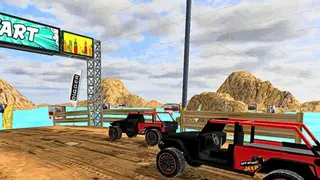
Monster Truck Offroad
-

Cube Merge Game
-
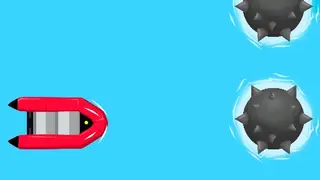
Float Boat
-
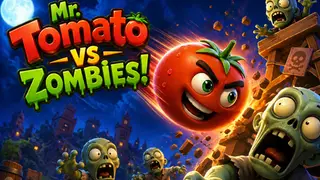
Mr Tomato vs Zombies
-

PenguinBattle.io
-
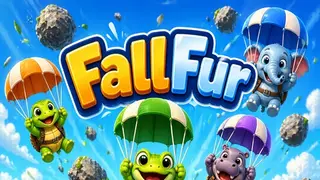
FallFur
-

Classic Spider Solitaire
-
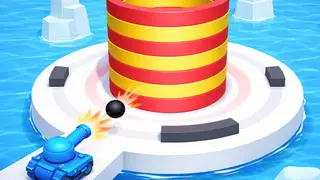
Fire Balls Shoot 3D
-
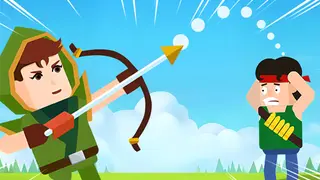
Bowmasters2
-

Seaweed Aqua
-
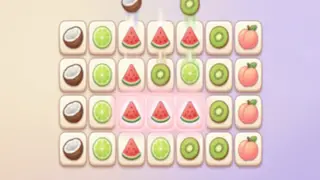
Tiles: Collect 3 Fruits
-

Halloween Tiles Mahjong
-

Ben Car Adventure
-

Hidden Aquatic
-

Arrow Rope Maze
-

Worm Stack
-
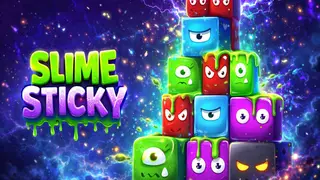
Slime Sticky
-

Match Colors Game
-

Road Racer 2
-

Rally Race Pro 3.0 Car Racing
-
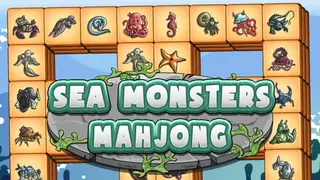
Sea Monsters Mahjong
-
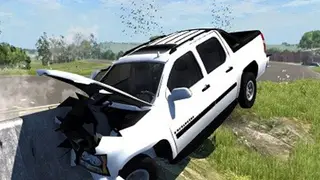
Ultra Crash Car Simulator 2026
Physics Games variants we cover
Physics Browser Games on GamersHell split three ways: Stacking and Tower Physics, Ragdoll and Fall Physics, and Crash, Drop and Bounce Physics.
Stacking and Tower Physics
Stacking and Tower Physics challenges you to build tall structures where balance, momentum, and gravity matter: drop blocks onto a tower, time the placement, watch the structure stay or topple per real physics.
Ragdoll and Fall Physics
Ragdoll and Fall Physics uses character ragdoll simulation: limbs flail with momentum, characters tumble through obstacle courses, falling players bounce off platforms in physics-correct ways.
Crash, Drop and Bounce Physics
Crash, Drop and Bounce Physics covers vehicle crash simulators (cars colliding with destructible scenes), ball-drop chain reactions, and bounce-based action where momentum and collision matter for scoring.
How to play Physics Games
Physics Browser Games are played by interacting with simulated real-world physics: gravity, momentum, collision, and balance all affect outcomes more than scripted enemy AI.
Controls
- Arrow keys or WASD
- Move character or vehicle on the physics simulation
- Spacebar
- Jump, drop, or trigger physics action
- Mouse click
- Place blocks, drop objects, or aim launches
- Drag
- Aim trajectory in launching variants
- R
- Reset the level or physics state when stuck
- Tab
- Switch camera or character in some variants
Tips
- Identify the physics sub-genre because Stacking rewards timing and centre-of-mass awareness, Ragdoll rewards momentum prediction, and Crash-Drop-Bounce rewards collision angle planning.
- For stacking variants, time block placement to align with the moving target and respect centre-of-mass: blocks off-centre will tip the tower, blocks on-centre add height.
- For ragdoll variants, plan trajectory before action because once the ragdoll launches you have limited mid-air control: aim for the landing zone before triggering the move.
- For crash and bounce variants, account for velocity because impact damage scales with speed: slow approaches create more controlled outcomes, fast approaches maximise spectacle.
- Use physics consistency because the simulation runs deterministically per session: identical inputs produce identical outcomes, so failed attempts inform retry strategies.
- Complete the level by hitting the sub-genre-specific objective: highest stable tower in stacking, finish line in ragdoll obstacle courses, or target score in crash-bounce variants.
Why Physics Games stands out
GamersHell hosts 16 Physics Browser Games spanning stacking, ragdoll, and crash-drop-bounce variants: real physics simulation accessible without plugin install.
- 16 distinct physics titles. Three sub-genre clusters covering tower-building physics, ragdoll character simulation, and crash-collision physics. Real variant depth, not the same engine across themed reskins.
- EN search demand is strong. Ragdoll games 8.3K, physics games 2.3K, gravity 1K, stacking 1K, balance 200: multiple winnable heads in low-to-mid KD.
- No plugin required. Modern WebGL and HTML5 physics engines run smoothly in current browsers. No Unity Web Player, no Flash. Physics simulation that previously required installed games now runs in any browser tab.
- Cross-tag with stacking, ragdoll, fall. Stacking titles also appear in /t/stacking; ragdoll titles in /t/ragdoll; fall titles in /t/fall. The physics tag aggregates the simulation principle; specific tags filter by mechanic.
Physics Games FAQ
Physics Browser Games on GamersHell answer common questions below about rules, the difference from action games, free access, mobile play, physics engines, and ragdoll mechanics.
- How do you play physics browser games?
- Interact with simulated real-world physics where gravity, momentum, collision, and balance determine outcomes more than scripted enemy AI. Controls vary by sub-genre but the physics consequences stay realistic.
- Are physics games free on GamersHell?
- Yes, every physics game on GamersHell is free to play in your browser with no download or signup required. All 16 titles across stacking, ragdoll, and crash-drop-bounce variants stay free.
- What is the difference between physics games and action games?
- Physics games derive challenge from simulating gravity, momentum, and collision: outcomes follow physical laws. Action games derive challenge from scripted enemies, level design, and reflex tests with physics as secondary background.
- What physics engines do these games use?
- Most browser physics games run on HTML5 with WebGL acceleration, using engines like Matter.js, Box2D-WASM, or Cannon.js. Some 3D-heavy titles use Three.js with physics extensions for realistic rigid-body simulation.
- Can you play physics games on mobile?
- Yes, every physics game on GamersHell renders responsively for mobile browsers with touch controls: tap-to-drop for stacking, swipe-to-launch for ragdoll, drag-to-aim for crash variants. Performance scales to device.
- What are ragdoll games?
- Ragdoll games use character physics simulation where limbs flail with momentum and characters tumble through obstacle courses. The ragdoll responds to forces realistically: trip a character and limbs swing per physics rules.
- What is the best physics game for beginners?
- Stacking variants like Tower Blocks Deluxe 3D and SweetStack are gentle starting points with simple timing-based mechanics. Once comfortable, ragdoll variants and crash simulators add momentum-prediction complexity.